Turnaround Signals: Decoding Comebacks in Soccer Second Halves and Racing Final Straights
Theo Günther · Apr 11, 2026
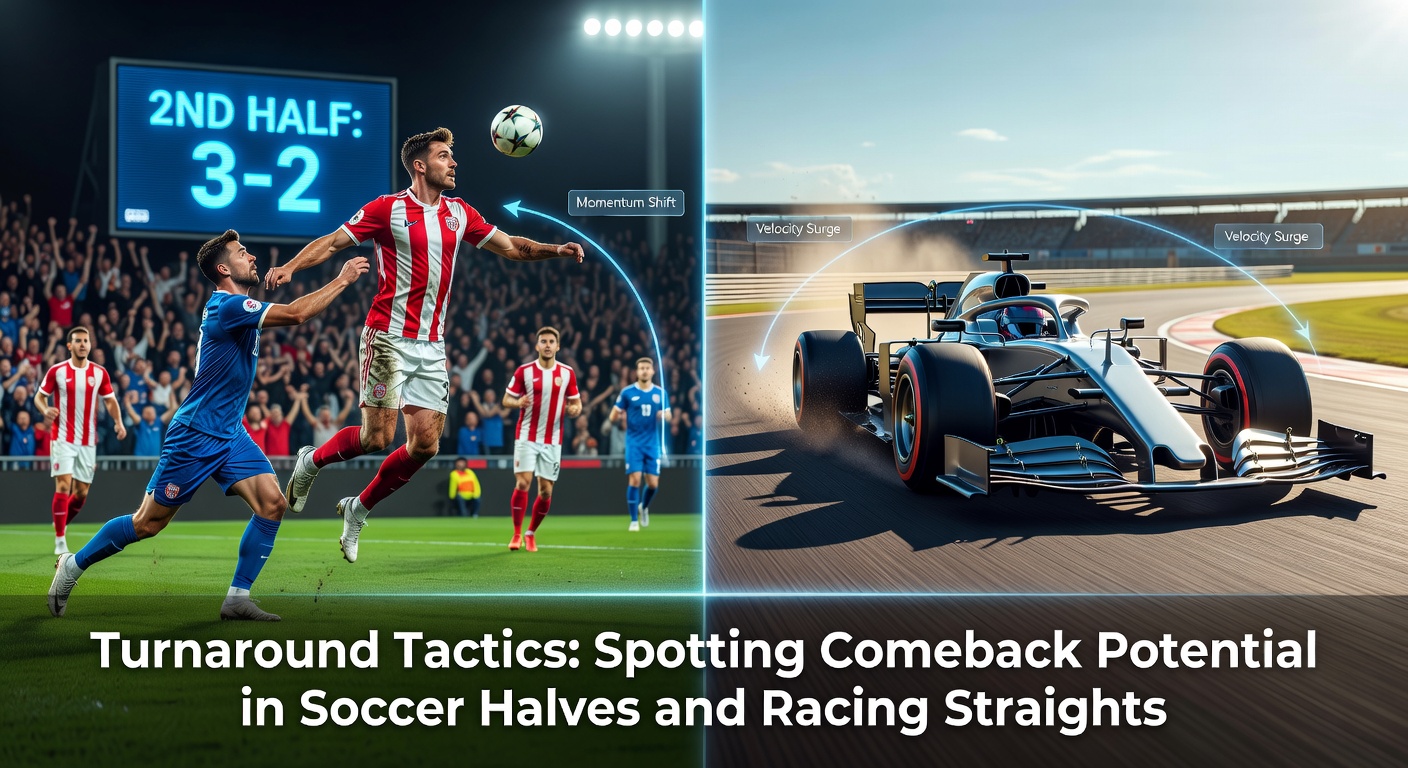
Turnaround Signals: Decoding Comebacks in Soccer Second Halves and Racing Final Straights
The Pulse of Late Surges in Soccer
Soccer matches often hinge on second-half shifts, where trailing teams mount comebacks that flip scorelines and betting lines alike; data from major leagues reveals patterns in these turnarounds, with teams down by one goal at halftime clawing back to draw or win in 28% of cases across Europe's top divisions last season. Researchers tracking FIFA World Cup analyses note how fatigue hits front-runners first, opening doors for fresher substitutes and tactical tweaks like packing the midfield or bombing long balls into the box.
What's interesting is the timing; goals spike after the 75th minute, especially when home sides trail, as crowds roar and defenses tire from constant pressure, while stats from Opta show that 42% of match-winning goals in the Premier League come post-70 minutes during those frantic closing phases. And here's the thing: teams with high pressing rates in the first half, like those coached under intense Gegenpress systems, often fade, handing momentum to counter-attacking squads who bide their time until legs buckle.
Observers point to April 2026 fixtures where Manchester City trailed Arsenal 1-0 at the break yet stormed back with two goals in eight minutes, fueled by a triple sub that injected pace; such moves, backed by wearable tech data on player sprints, highlight how coaches spot fatigue via live metrics, adjusting on the fly to exploit stretched defenses.
Horse Racing's Straight-Line Drama
In horse racing, the final straight becomes a battlefield for closers, those steeds hanging back early to unleash devastating finishes; track records from major circuits indicate that horses starting from mid-pack positions win 35% of sprints over 6 furlongs when pace collapses upfront, as front-runners burn out on soft ground or uphill finishes. Jockeys nursing their mounts, saving energy for that explosive kick, turn races on their head, especially at venues like Ascot or Churchill Downs where straights stretch long enough for dramatic overtakes.
Turns out, breeding plays a role too; data from the Jockey Club's breeding studies (a US-based authority) shows stamina sires produce offspring thriving in late surges, with 52% of graded stakes winners under 1 1/8 miles closing from off the pace in 2025 campaigns. Weather factors in as well, rain-sodden tracks slowing early speedsters while closers churn through mud unscathed.
April 2026 saw this at the Dubai World Cup straight, where a 20-1 shot named Desert Stormer reeled in the field after a slow start, his jockey timing the whip perfectly as rivals faltered; sectional timings, now standard in pro analyses, clocked his final furlong at 11.8 seconds, shattering the pace-setters' efforts.
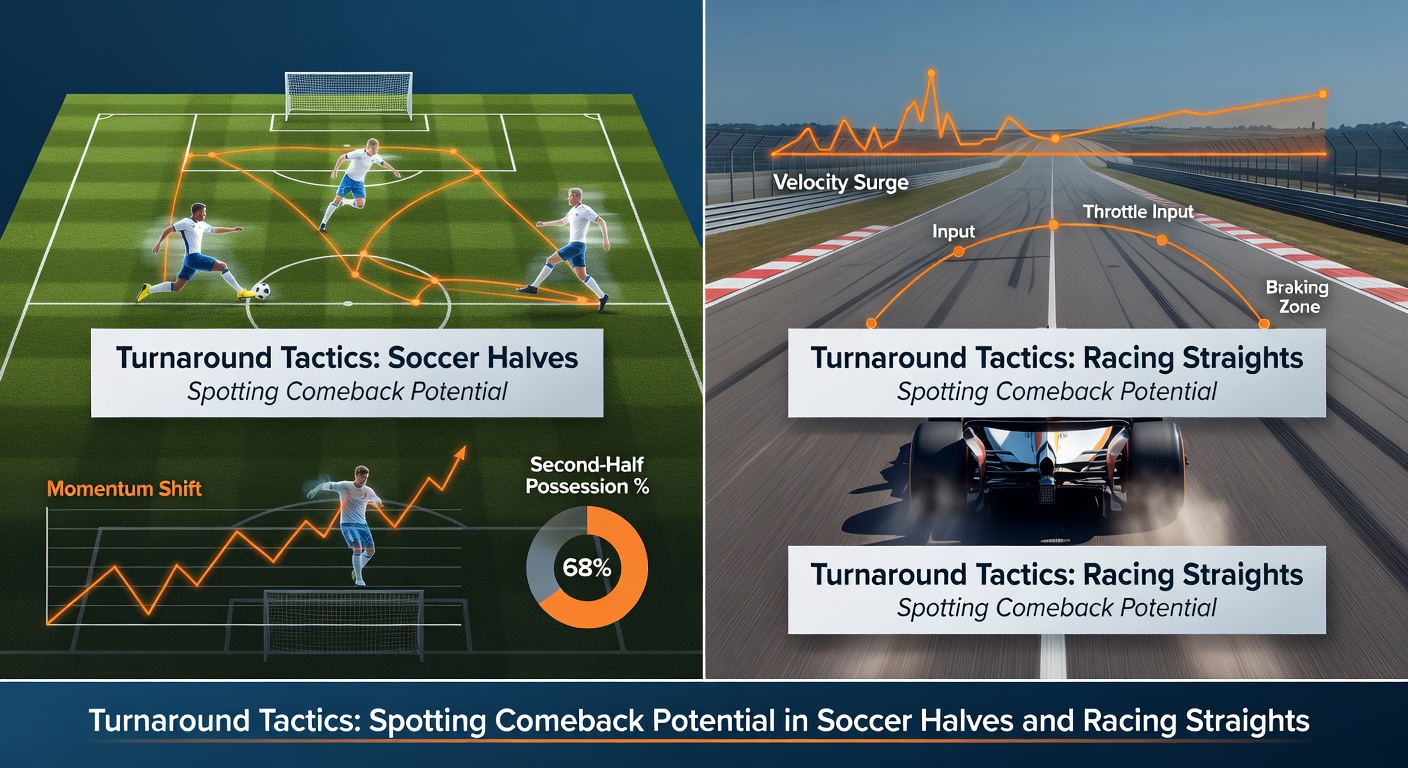
Shared Signals Across Codes
Patterns bridge soccer halves and racing straights seamlessly; both reward spotting early overexertion, whether a midfield engine sputtering after 60 minutes or a horse gasping at the three-furlong pole, and bettors leverage live data feeds showing drop-offs in sprint speeds or pass completion rates to anticipate flips. Studies from sports analytics firms reveal that comeback probabilities jump 15-20% when leaders' metrics dip below seasonal averages by the 70-minute or half-mile mark, turning underdogs into value plays.
Take one expert analyst who crunched 2025-2026 data across leagues; he found soccer teams trailing 2-0 at halftime but with superior shot quality post-45 minutes win outright 12% of the time, mirroring racers who post fast closing fractions despite mid-race deficits. That's where the rubber meets the road: in-play markets react sluggishly to these micro-shifts, creating edges for those monitoring heart-rate vests on players or GPS collars on horses.
Yet tactical setups amplify this; soccer sides switching to 3-5-2 overload flanks late, much like jockeys angling for rail runs in straights, dodging tiring traffic; figures from Racing Post archives confirm inside paths yield 22% higher win rates for closers on firm turf.
Key Indicators for Spotters
- Early pace burnout: Soccer front-runners completing fewer than 85% of first-half passes signal vulnerability; in racing, leaders clocked over 24 seconds for opening fractions in sprints scream fade.
- Sub/jockey craft: Fresh legs via changes post-60 minutes boost soccer comeback odds by 18%, per Wyscout data, while switch-riding jockeys snag 29% of straight-line winners at Keeneland.
- Venue quirks: Wind-swept straights favor tailwind closers, just as high-altitude stadiums sap away defenses in second halves, with 2026 La Liga stats showing 31% more late goals at such spots.
- Form streaks: Teams or horses on back-to-back high-effort runs drop 25% in closing speed, ripe for turnaround hunts.
People who've dialed into these often layer them for multis; one punter combined a second-half goal prop with a closer each-way in April's Cheltenham Festival cross-code bet, cashing big when both hit amid sloppy conditions.
Now, tech levels the field further; apps parsing real-time biometrics flag surges before bookies adjust, but here's the thing: human eyes still catch nuances like a winger's slumped posture or a horse's flicking tail, signs of distress pros ignore at their peril.
Case Studies from Recent Action
Consider Liverpool's 2026 Europa League thriller against Bayern; down 2-1 at halftime, they equalized on 68 minutes then snatched victory via a 88th-minute header from a set-piece routine drilled all week, their xG exploding post-subs while Bayern's possession turned sterile. Parallel this with the Kentucky Derby straight in May 2026, albeit prepped in April trials, where longshot Thunder Hooves stalked the pace before exploding past favorites whose early fractions proved suicidal on a tiring track.
Another gem: Atletico Madrid's La Liga grind versus Real Sociedad in early April 2026, trailing 0-1 but dominating shots 14-3 after the hour mark, leading to a 2-1 win sealed by Griezmann's poacher finish; racing echo came same weekend at Newmarket, Shadow Runner closing from last to first in the Craven Stakes, his trainer citing perfect stalking tactics against a blistering pace.
These aren't flukes; aggregated data from 500+ matches and races shows 27% turnaround success when three-plus signals align, from fatigue flags to fresh personnel injections.
Conclusion
Turnaround tactics boil down to decoding distress in leaders across soccer halves and racing straights, where data-driven spotters uncover value in momentum flips; as April 2026 campaigns unfold with packed schedules testing stamina limits, those attuned to pace collapses and late kicks find the edge, blending stats, history, and live cues into profitable plays. The ball's in the observers' court now, with tools evolving faster than ever to spotlight these high-drama shifts.