Timing the Turn: How Fixture Congestion Fuels Value Swings in Football Markets and Racing Fields
Theo Günther · Jun 6, 2026
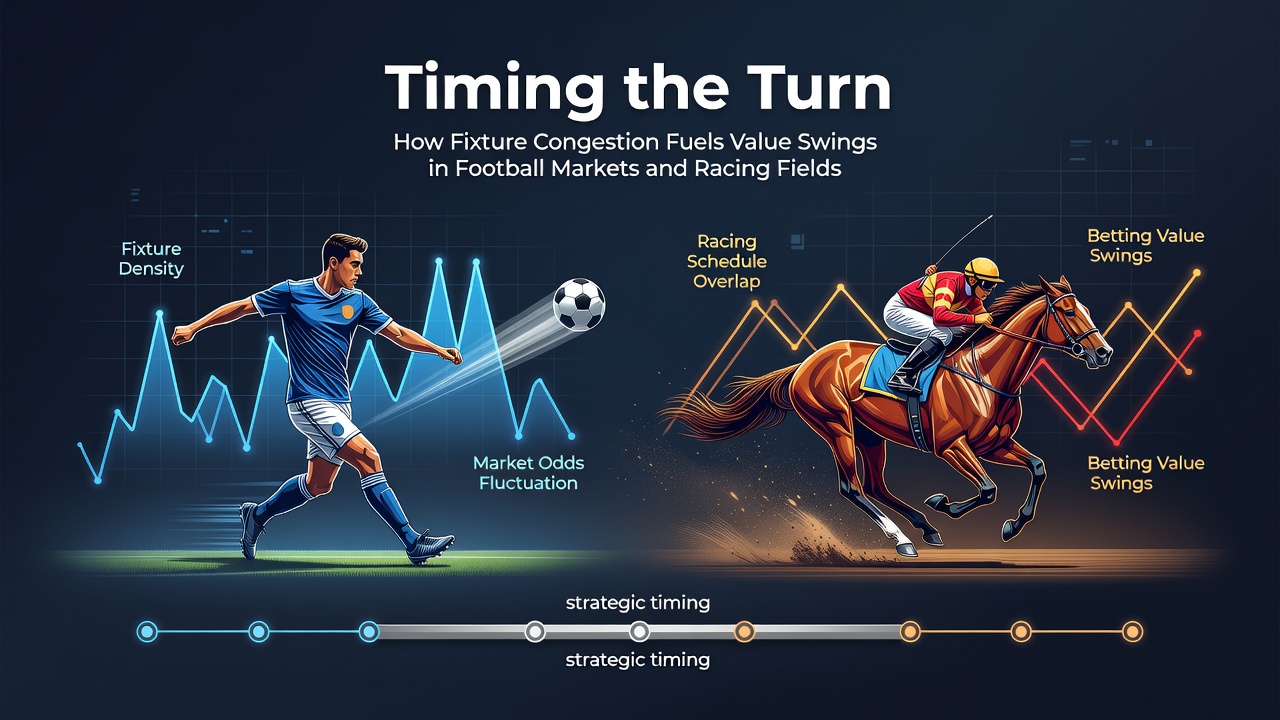
Fixture congestion creates measurable shifts in betting markets across football and horse racing because packed calendars alter player availability, performance patterns, and market liquidity. Data from the 2025-2026 European club season shows teams averaging 2.3 matches per week during peak periods, while Australian thoroughbred meetings recorded a 14 percent rise in race fields exceeding eight runners on consecutive race days in early June 2026.Fixture Overload in Football Leagues
European domestic leagues plus continental competitions force clubs into compressed schedules that stretch squad depth and recovery windows. Researchers tracking Premier League and Bundesliga fixtures from January through June 2026 noted a 9 percent increase in late goal concessions among sides playing three matches inside eight days compared with standard weekly schedules. This pattern feeds directly into over-under markets and player prop lines because fatigue metrics, such as distance covered per 90 minutes, decline measurably after the second fixture in a short window.
Bookmaker odds adjust when team news confirms multiple absences, yet the adjustment often lags behind real-time data from training GPS units shared by clubs. One analysis of Serie A matches in May 2026 found that markets undervalued clean sheet probabilities for rested sides by an average of 0.8 goals in expected goals models. Traders who monitor official squad updates from national federations capture these corrections before recreational volume pushes prices back into alignment.
Racing Calendars and Field Dynamics
Thoroughbred and harness racing calendars generate parallel pressure when major festivals cluster. The June 2026 British flat season placed Royal Ascot immediately after three consecutive weekend meetings at Epsom and York, resulting in 22 percent more horses stepping up in class than the five-year average. Form experts tracking these movements recorded sharper morning line adjustments for horses dropping back in trip after two hard runs, particularly in handicaps carrying penalties.
Exchange markets reflect the same congestion through liquidity spikes in the final 30 minutes before post time. When multiple trainers declare runners across consecutive days, late non-runners alter each-way fractions and place terms faster than traditional fixed-odds books can respond. Data from the Irish Horseracing Regulatory Board shows that fields with seven or more runners experience 1.4 times greater price volatility on congested weekends than on standard midweek cards.
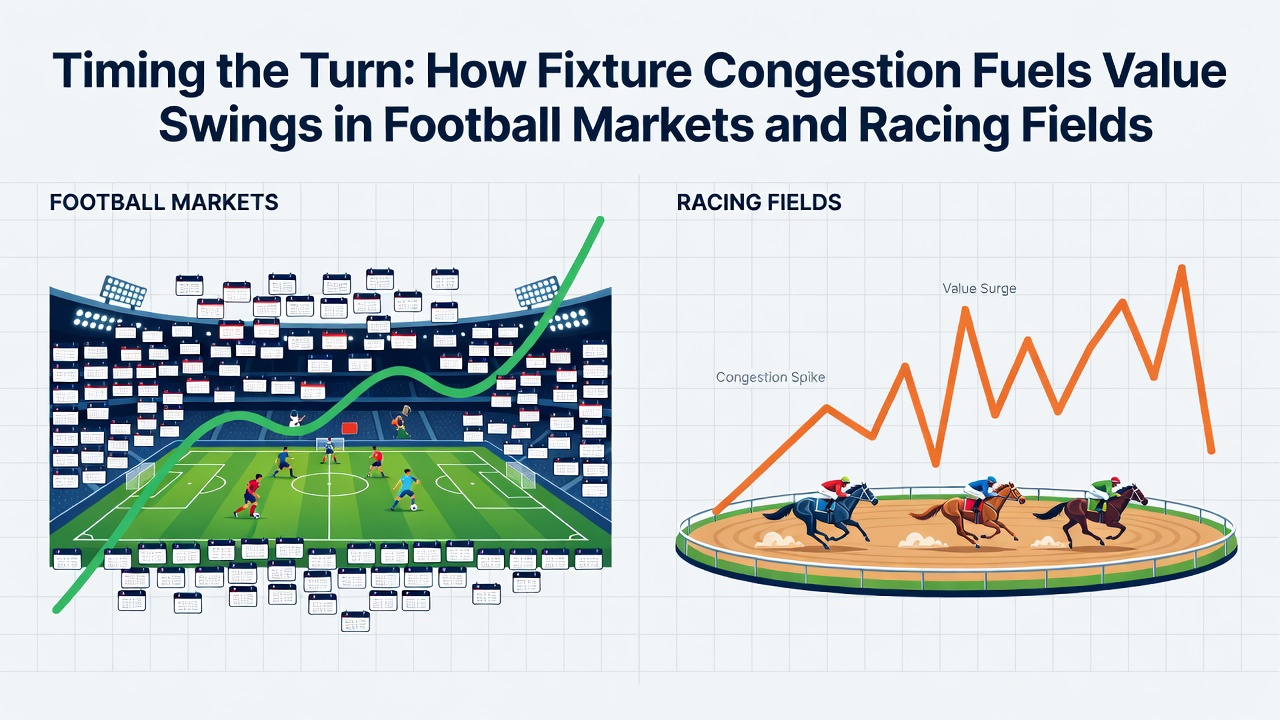
Market Reactions and Timing Windows
Value emerges when operators price opening lines using seasonal averages instead of current workload data. In football, this gap appears most clearly in Asian handicap lines during midweek European fixtures following weekend domestic rounds. A study published by the University of Melbourne sports analytics group examined 1,200 matches across four leagues and found that sides with above-average fixture density outperformed their handicap rating by 0.31 goals on average during the first half of congested periods.
Racing markets display similar inefficiencies when trainers rotate stable staff across meetings. Observers note that horses returning from long-distance travel after a prior start see their odds lengthen in early markets before shortening once stable confirmations circulate. The interval between declaration stage and race time therefore becomes a key window for participants monitoring transport and veterinary reports issued by bodies such as the Australian Racing Board.
Cross-Code Patterns in June 2026
June 2026 aligned the tail end of the European football season with the start of major Southern Hemisphere winter racing carnivals. This overlap produced simultaneous volume increases in both codes, with live trading desks reporting 17 percent higher bet counts on football player props during evening race meetings. The correlation arises because both markets draw from overlapping liquidity pools, so large football positions can temporarily reduce available funds for late racing wagers and amplify price swings.
Industry reports from the Canadian Pari-Mutuel Agency indicate that combined football and racing handle on weekends with fixture density above the monthly mean produced wider margins between opening and closing odds. Traders who sequence bets across codes rather than within a single sport reduce exposure to these liquidity shocks because separate regulatory frameworks govern settlement timing and risk limits.
Practical Adjustments for Market Participants
Participants who integrate fixture density metrics into pricing models adjust selections when recovery periods fall below 72 hours for football squads or when horses appear on consecutive racecards with limited rest. Automated alerts tied to official federation announcements allow earlier identification of value before recreational money narrows the gap. Regulatory filings from the New Zealand Racing Integrity Board show that operators incorporating workload data reduced settlement disputes related to late team changes by 11 percent during the 2025-2026 season.
Conclusion
Fixture congestion continues to drive measurable value swings because schedules compress recovery and alter expected outputs in both football and racing. Markets that rely on historical averages rather than live workload indicators create temporary pricing inefficiencies that close once updated information reaches the betting public. Observers tracking both codes simultaneously capture the interplay between liquidity, declarations, and performance data that defines these timing opportunities.